

Download the Annual Report in English | Hebrew
Zochrot's purpose is to involve the Jewish public in Israel in remembering and talking about the Nakba. The memory of the Nakba is an alternative memory that opposes the hegemonic Zionist narrative of history. The Nakba is the catastrophe experienced by the Palestinians in 1948 — the destruction of their villages, the expulsion and killing — but it is also an integral part of the history of the Jews who live here. It is a history that has been silenced and almost completely erased from the physical landscape of the country. Zochrot supports the right of return of the Palestinian refugees which is the personal, civil right of all uprooted people who were expelled from their homes. The right of return is also a collective right that was recognized by international law, particularly by U.N. Resolution 194 of December 1948, which has been re-approved tens of times since then.
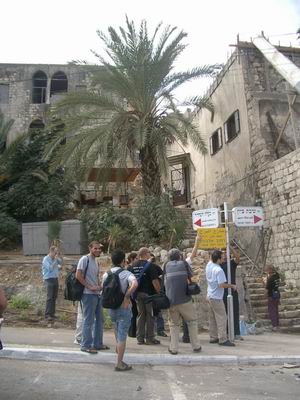
Zochrot conducts various activities to these ends: touring and posting signs at destroyed villages; printing study materials and testimonies about the Nakba in Hebrew and Arabic; conducting seminars with teachers and students; operating an internet site that contains a wealth of information about the Nakba in Hebrew, including a database of maps; participating in legal struggles; and hosting encounters between uprooted Palestinians and Jews residing on their lands. The common denominator of all these projects is for Jews in Israel to learn about the Nakba, to reveal and cope with the history that has been obscured, and to take responsibility for what happened in 1948. This goal is based on the understanding that the Nakba and its ongoing consequences are an inextricable part of our lives. Zochrot also aspires to create a space in which the voices of Palestinian women who experienced the Nakba will receive significant attention.
The year 2004 was a turning point for Zochrot. Zochrot expanded its activities, and awareness of Zochrot increased in Israel and around the world. Today it appears that Zochrot's place among the spectrum of NGOs in Israel is firmly established. It is important to note that Zochrot's many activities during this year were carried out almost exclusively on a volunteer basis, by tens of activists. In the middle of 2004 a group of Haifa Zochrot activists was established, paralleling the veteran Zochrot group that had started in Tel Aviv. This has increased Zochrot's ability to carry out different activities and to be exposed to different communities. Toward the end of the year Eitan Bronstein began working as Director of the organization at a half-time position.